
Learning is a lifelong journey, shaping not only our knowledge but also our character, mindset, and potential. When we stop learning, the effects extend beyond just missed opportunities for intellectual growth. It impacts our personal development, adaptability, and even our sense of fulfillment. Here’s what happens when the pursuit of learning comes to a halt:
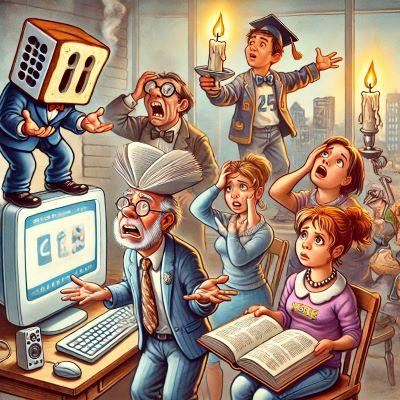
1. Stagnation in Personal Growth
Learning drives self-improvement and broadens our views. Without it, our perspectives shrink, and growth slows. Life starts to feel dull as new experiences and insights become less frequent.
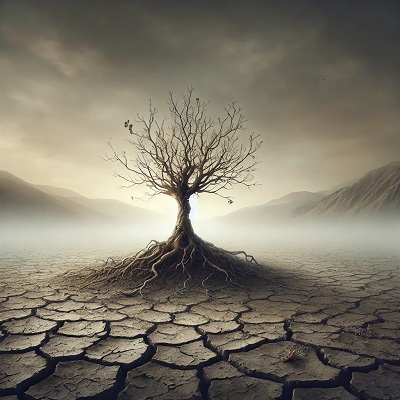
2. Decreased Mental Sharpness
Our brains need challenges and stimulation to stay healthy. Learning new skills or ideas keeps our minds active. If we stop learning, our thinking skills—like problem-solving and memory—can get worse over time, making it harder to handle new situations or solve difficult problems.
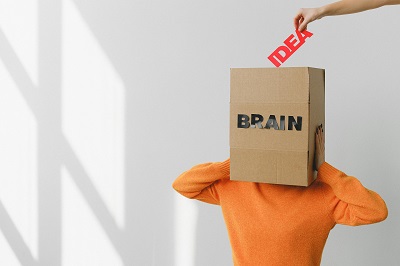
3. Loss of Adaptability
The world is constantly changing, with advancements in technology, shifts in societal norms, and evolving workplaces. Continuous learning helps us adapt to these changes. Without it, we risk falling behind, becoming outdated in our skills and perspectives.

4. Limited Career Opportunities
In today’s fast-paced world, career success often hinges on staying updated with new skills and knowledge. If you stop learning, you may miss opportunities for promotions or better job prospects, as employers value individuals who are willing to grow and learn.

5. Decreased Confidence
Learning builds confidence. Every time you master something new, it reinforces your belief in your ability to overcome challenges. When you stop learning, you might feel less capable of tackling new tasks or exploring unfamiliar territory.
6. Lack of Fulfillment
Humans are naturally curious beings. The joy of discovery and the satisfaction of mastering something new contribute to our overall happiness and sense of purpose. Without learning, life can feel monotonous, leading to dissatisfaction or even burnout.
7. Weakened Social Connections
Learning is often a social activity, bringing people together through shared interests and discussions. When we stop learning, we might find it harder to connect with others, especially in professional or intellectual circles.
8. Missed Opportunities for Innovation
Continuous learning sparks creativity and innovation. When we learn, we draw connections between different fields or ideas, often leading to groundbreaking solutions. Without learning, our capacity to innovate diminishes.
How to Keep Learning Alive
If you’ve noticed signs of stagnation, it’s never too late to reignite your learning journey:
- Read Regularly: Books, articles, and blogs are a treasure trove of knowledge.
- Take Online Courses: Platforms like Coursera, Udemy, and Khan Academy offer accessible learning opportunities.
- Explore Hobbies: Pick up a new hobby, like painting, cooking, or coding.
- Engage in Discussions: Talk to people with different perspectives to broaden your understanding.
- Stay Curious: Ask questions and seek answers in everyday life.
Conclusion
Stopping your learning journey affects many areas of your life, but you have the power to change this. Embrace lifelong learning to stay relevant and experience personal growth and fulfillment. Learning is a gateway to a vibrant existence.



 herprettypicks.com
Leave a comment